

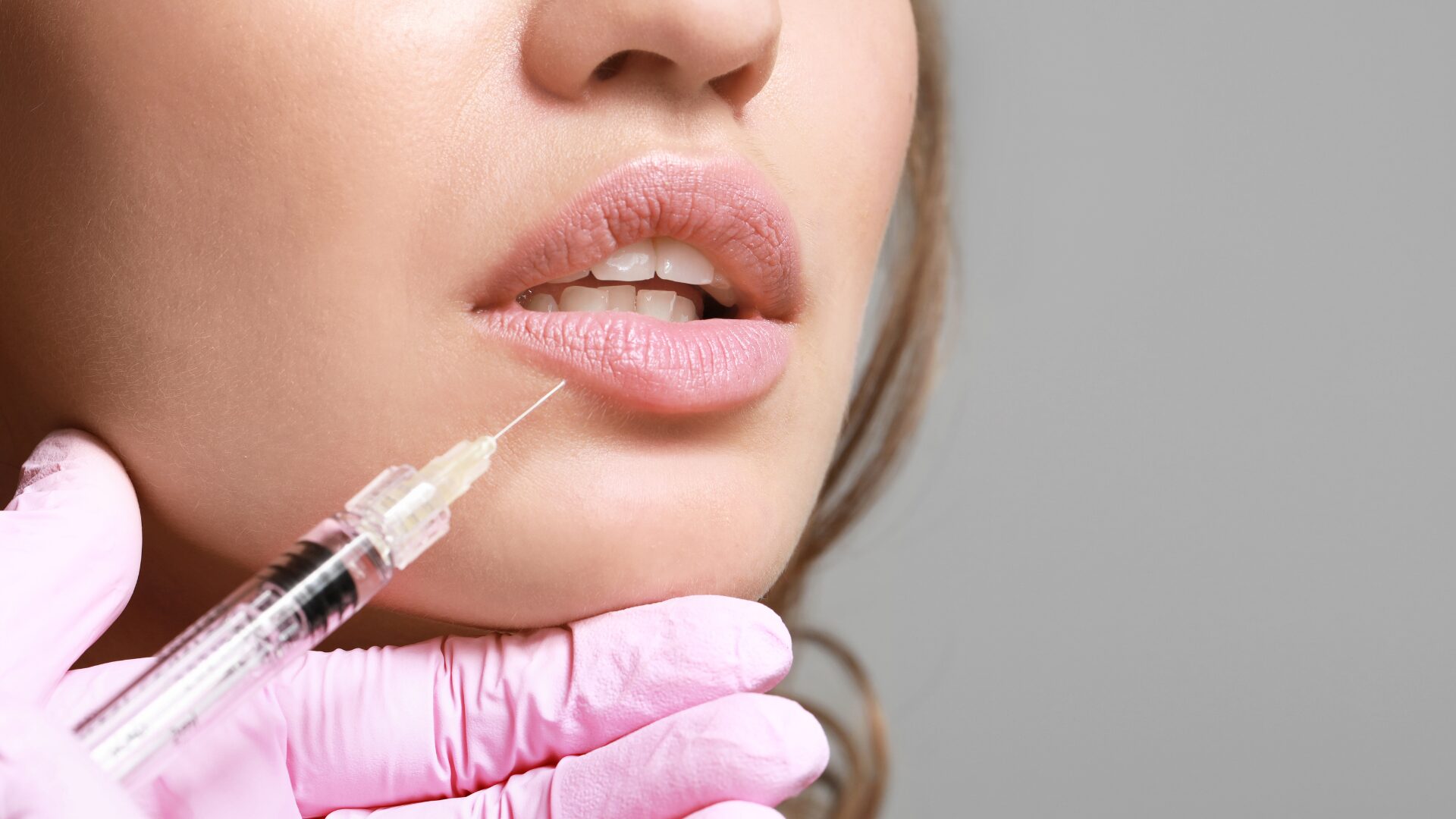
Lip filler is arguably the most popular injectable treatment in the UK in terms of demand and search interest. From patients in their mid-twenties to well into their sixties.
For trainees entering the field, one of the first key decisions is whether to use a sharp needle or a blunt-tipped cannula to inject dermal fillers into the lips. Both are commonly used and effective, but they work differently, affect the tissue in different ways, have different safety levels, and can lead to different aesthetic results.
At Fiore Aesthetics, we are proud to offer expert-led training through our Aesthetics Training Academy, delivered by Aesthetic Expert Flavio Refrigeri. One of our most sought-after CPD-certified courses is the Advanced Lip Filler Training Course, designed to help practitioners refine their cannula and needle techniques.
As part of mastering advanced lip enhancement techniques, it is essential to understand the strengths and considerations of both cannulas and needles. So, which approach is better for lip filler treatments, a cannula or a needle? Let’s take a closer look.
How Needles And Cannulas Work
Naturally, both a cannula and a needle pierce the skin to inject filler into the lips, but the way they do it, and how many times is required differs.
Because a needle has a sharp tip, it can go directly into the tissue. However, it needs to pierce the skin each time it is used for an injection point. Therefore, each injection point can sting briefly and can feel more intense overall for the patient because there are multiple punctures.
A cannula, on the other hand, has a blunt tip and is more flexible. Instead of cutting through tissue, it gently moves through existing tissue layers. It also typically only requires one/fewer entry points, after which it is guided under the skin rather than repeatedly piercing it. In terms of sensation, it is often described as a deeper, pressure-like feeling rather than sharp pain, and the entry point, where the skin is first pierced, can be the most uncomfortable part of the process.
Since the lips are one of the more sensitive areas of the face, most aesthetic injectors use numbing cream, local anaesthetic, or both, which significantly reduces discomfort for both methods.
For trainees, the most important conceptual distinction is the balance between precision and safety.
Needles allow the injector to place small amounts of filler exactly where it is needed, thus providing a higher level of precision. Therefore, they are particularly useful for defining the vermilion border, enhancing Cupid’s bow shape, or correcting subtle asymmetries. Because of this accuracy, needles are often preferred when detailed shaping or small-volume enhancement is required.
However, this precision comes with a higher level of risk. Needles pass through blood vessels rather than pushing them aside, which increases the chance of bruising, haematoma formation, and intravascular injection. Although rare, vascular occlusion is one of the most serious complications associated with lip filler procedures.
Whereas cannulas are generally considered safer in terms of vascular injury. Their blunt tip tends to push blood vessels aside rather than puncture them, which reduces the risk of intravascular injection and significantly lowers the likelihood of bruising. For trainees, this safety profile makes cannulas an attractive option, especially for patients who bruise easily or are having lip filler for the first time.
According to the IFAAS website, one commonly cited comparative analysis found that cannulas can reduce bruising and haematoma-type events by approximately 30 to 60% compared with needles in soft-tissue filler procedures in general (not lip-specific).
Technique Differences And Skill Progression
From a training perspective, most medical trainees are already familiar with needle-based injections from other clinical settings. But cannulas require a different skill set.
They rely on first creating a correct entry point with a needle, after which the cannula is guided through the tissue plane. This requires a good understanding of facial anatomy in three dimensions and the ability to navigate through tissue planes rather than working from point to point.
Since cannulas can make lip augmentation more efficient and less traumatic for patients, their use has increased over the past decade.
This trend is supported by surveys of aesthetic practitioners over the last 10 to 15 years, which consistently show a rise in cannula use for soft-tissue filler procedures overall.
The choice between a cannula and a needle also influences aesthetic outcomes. Needles tend to produce more defined, structured results. Alternatively, cannulas often create a smoother and more diffused distribution of volume. This makes them particularly useful for overall lip volume enhancement rather than precise edge definition. Cannulas are also effective for treating the body of the lip in a way that helps reduce the risk of over-projection or lumpiness.
Of course, many experienced injectors choose to combine both tools. Cannulas for volume in the central lip and needles for fine definition at the borders.
Safety Considerations Every Trainee Must Understand
Trainees should understand that the lips are highly vascular and are mainly supplied by the superior and inferior labial arteries, which run through and around the lip tissue. Therefore, regardless of the tool used, a thorough understanding of these vascular pathways is essential. Although cannulas reduce the risk of vascular complications, they do not eliminate it.
It is also essential to understand that complication management requires immediate recognition and intervention.
Choosing between a cannula and a needle should not be rigid or fixed. First-time patients often benefit from cannula techniques because they cause less trauma. Patients who require precise adjustments may be better suited to needle techniques. In some cases, such as patients with scar tissue or uneven results from previous filler, a combination of both techniques may be needed. For trainees, learning to assess these variables is as important as mastering the injection technique itself.
Final Learning Points
Final point on cannula vs needle: the key takeaway for trainees is to develop a clear understanding of the strengths, limitations, and anatomical considerations associated with each technique.
Remember, true mastery in lip augmentation does not come from the choice of instrument alone, but from your ability to assess each patient individually and select the most appropriate approach for their unique anatomy and treatment goals.
That is why our Advanced Lip Filler Training Course equips every trainee with the knowledge, clinical understanding, and practical skills needed to deliver precise, safe, and consistent treatment outcomes in real-world practice.