
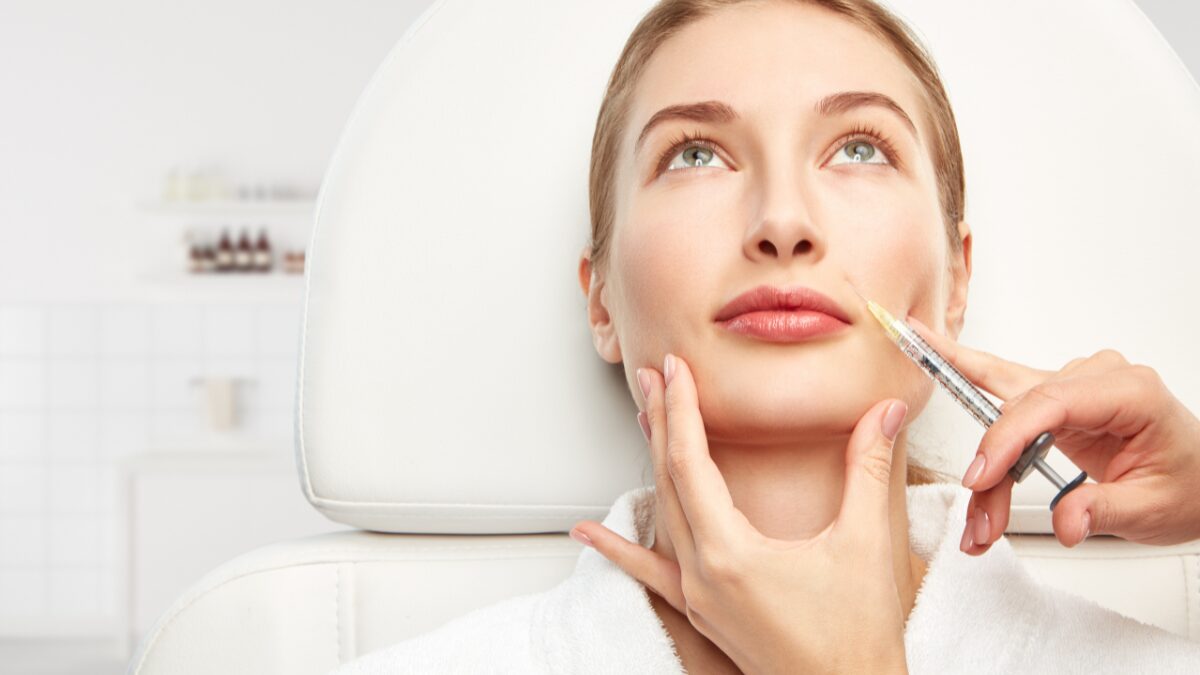
It is believed that Confucius once said, “I hear and I forget. I see and I remember. I do and I understand.” At Fiore Aesthetics, we believe this to be all too true. The best way to learn, is to do.
In recent years, the field of aesthetic medicine has grown rapidly. This growth has led many aesthetic professionals to expand their skills.
While theoretical knowledge is vital, it cannot replace the value of hands-on training. Especially since all aesthetic procedures involve precision, patient safety, and artistic judgment. Practitioners are required to work directly with human anatomy, understand facial proportions, and respond to real-time patient reactions.
Reading about techniques and watching demonstrations can also create a false sense of preparedness. Therefore, true competency develops only through supervised clinical practice.
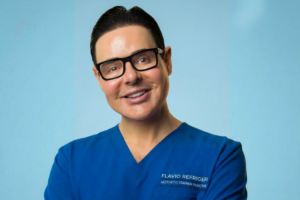
One of the key reasons our Aesthetics Training Academy provides expert-led, practical, hands-on training, under the guidance of Aesthetic Expert Flavio Refrigeri, is to ensure that every trainee leaves with the knowledge, confidence, and technical skills needed to practise safely and independently.
Why Real-World Practice Is Essential
Theoretical learning provides the essential foundation needed for safe and effective practice. Because a strong understanding of anatomy, product knowledge, patient assessment, contraindications, and complication management enables practitioners to make informed clinical decisions. However, when combined with practical experience, it helps create well-rounded and competent aesthetic practitioners.
According to Revista Asocolderma, a recent study in aesthetic dermatology found that after supervised practical training, 100% of participants reported improvement in their practice. The same study also noted that the ability to prevent complications increased from 67.9% to 90.7%.
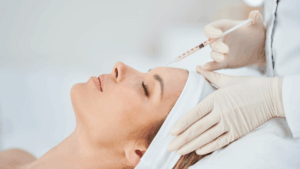
Statistics like these further highlight why hands-on training is so important. Particularly given the complexity of facial anatomy. Every patient has unique facial structures, muscle movement patterns, skin thickness, and vascular anatomy. And, while a practitioner may understand anatomy theoretically, injecting a real patient is a completely different experience.
During our hands-on training, our trainees learn how to identify anatomical landmarks, assess individual patient needs, and adapt techniques safely.
The latter is especially important.
Although aesthetic medicine procedures may appear minimally invasive, they still carry risks. Bear in mind, incorrect injection techniques can lead to bruising, asymmetry, vascular occlusion, infection, or even tissue necrosis. Not to mention, in severe cases, complications may have permanent consequences. However, hands-on training allows trainees to practice under the supervision of an experienced professional. Another advantage of hands-on training is the opportunity to receive immediate feedback. During in-person practical sessions, trainers can observe hand positioning, injection depth, product placement, and patient communication in real time. Small adjustments can make a significant difference in treatment outcomes. Plus, immediate correction helps trainees refine their techniques faster, reinforce proper safety protocols, and avoid developing poor habits that could compromise patient results.
All these skills are difficult to master through “book” learning alone.
Developing Artistic Skill Through Hands-On Learning
It is equally important to understand that aesthetic medicine is both a science and an art. Meaning, practitioners need to develop an “eye” for beauty and proportion, which is often difficult to fully learn through lectures alone.
Research in aesthetic education shows that visual exposure, live demonstrations, and supervised hands-on practice significantly improve a trainee’s ability to assess facial harmony and achieve natural-looking results. For example, publications in the Aesthetic Surgery Journal show that structured training in aesthetic procedures enhances clinical decision-making and improves treatment outcomes by strengthening both technical and visual assessment skills.
This is because observing experienced injectors in real time and practising on patients under supervision helps trainees understand subtle aesthetic principles. These include, but are not limited to, facial harmony, proportion, and product placement. Such details contribute to natural-looking and satisfactory results.
Final Reflections On Clinical Hands-On Education
To vastly sum it up, hands-on training helps:
- Improve treatment outcomes
- Enhance patient safety awareness
- Build clinical decision-making skills
- Improve technical skill development
- Reduce complication rates over time
- Strengthen anatomical understanding
- Provide real-time feedback and mentorship
- Develop muscle memory and confidence in technique
- Bridge the gap between theory and real-world practice
The first live patient interaction also often reveals gaps in confidence and skill. Therefore, repeated practice in a controlled environment allows trainees to build competence.
And, of course, as every aesthetic practitioner knows, the aesthetic industry is built heavily on reputation and patient trust. Therefore, patients expect their providers to have extensive practical experience, not just theoretical certifications.
In the end, aesthetic medicine is a hands-on profession. Meaning, success depends not only on what practitioners know, but also on how effectively they apply that knowledge in real-life situations.
We will leave you with the wise words of Publius Syrus, “Practice is the best of all instructors.” If you want to upgrade your skills, our Aesthetics Training Academy can help. All our courses focus on hands-on clinical practice in small groups, where trainees get one-on-one supervision and expert guidance that continues even after your training day ends.